
The Creator Economy Revolution_ Building Sustainable Income Streams in the Digital Age
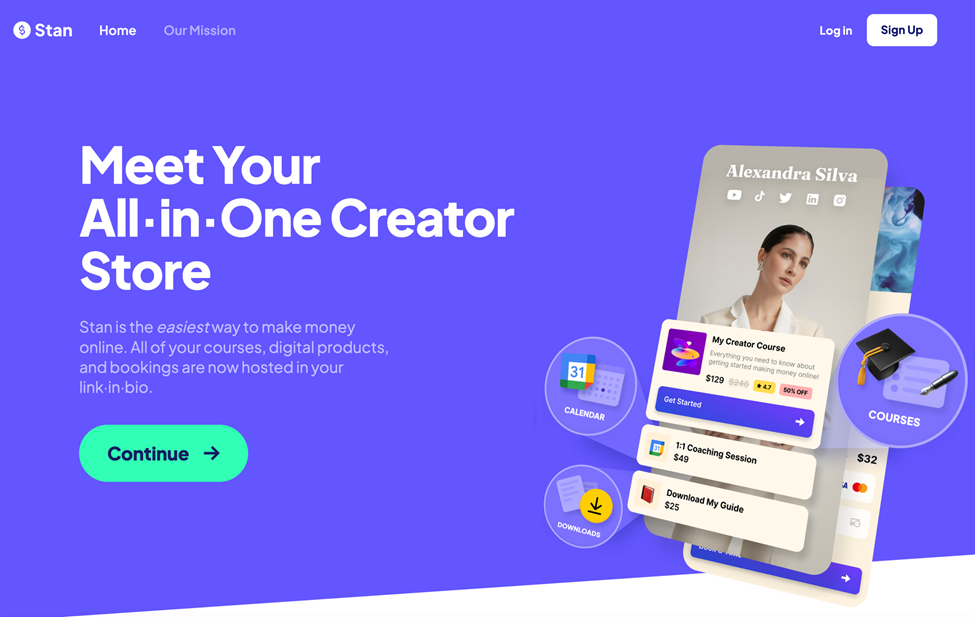
The creator economy has exploded into a multi-billion dollar ecosystem, fundamentally transforming how content creators, influencers, and digital entrepreneurs monetize their online presence. As traditional employment models evolve and more individuals seek financial independence through content creation, understanding the landscape of monetization platforms becomes crucial for success. From comprehensive store-building solutions like Stan Store to innovative membership platforms, creators now have unprecedented opportunities to build sustainable income streams. This comprehensive guide explores the essential tools, strategies, and platforms that are shaping the future of creator monetization in 2025 and beyond.
The Foundation of Creator Monetization: Understanding the Digital Ecosystem
The creator economy represents a fundamental shift in how value is created and exchanged in the digital world. Unlike traditional business models that rely on physical products or services, creator monetization leverages personal brand, expertise, and audience relationships to generate revenue. This transformation has been accelerated by social media platforms, improved payment processing technologies, and changing consumer behaviors that favor authentic, personalized content over traditional advertising.
Modern creators operate as multi-faceted businesses, combining content creation with product development, community building, and customer service. This complexity requires sophisticated tools and platforms that can handle diverse revenue streams, from one-time product sales to recurring subscriptions and exclusive content access. The most successful creators understand that monetization isn’t just about selling products – it’s about creating genuine value for their audience while building sustainable business models.
The ecosystem encompasses various monetization methods including digital product sales, course creation, membership communities, affiliate marketing, sponsored content, and direct audience support. Each method requires different tools, strategies, and audience engagement approaches. Understanding these nuances helps creators make informed decisions about which platforms and tools best serve their specific needs and audience preferences.
Platform Diversification: The Multi-Channel Approach to Creator Success
Successful creators in 2025 don’t rely on single platforms or monetization methods. Instead, they build diversified income streams across multiple channels, reducing dependency on any single platform while maximizing revenue potential. This approach requires careful platform selection and strategic content distribution to maintain audience engagement across different touchpoints.
The diversification strategy typically includes owned platforms (websites, email lists, private communities) and rented platforms (social media, third-party marketplaces). Owned platforms provide greater control and direct audience relationships, while rented platforms offer broader reach and discovery opportunities. The key lies in creating synergies between these platforms, using each channel’s strengths to complement others.
Email marketing remains a cornerstone of successful creator monetization, providing direct communication channels that aren’t subject to algorithm changes or platform restrictions. Building and maintaining email lists requires consistent value delivery and strategic lead magnets that attract subscribers while providing genuine value. Integration between email marketing and other monetization platforms creates seamless customer journeys that improve conversion rates and customer lifetime value.
Essential Tools for Modern Content Creators: Beyond Basic Link Management
Modern content creation requires sophisticated tool stacks that handle everything from content production to customer relationship management. While basic link management tools served early creators adequately, today’s competitive landscape demands more comprehensive solutions that integrate multiple functionalities into cohesive systems.
Content management systems have evolved beyond simple blogging platforms to include e-commerce functionality, membership management, and community features. These integrated solutions reduce technical complexity while providing creators with professional-grade capabilities previously available only to larger businesses. The best platforms offer intuitive interfaces that don’t require extensive technical knowledge while maintaining flexibility for advanced customization.
Analytics and performance tracking capabilities have become essential for understanding audience behavior and optimizing monetization strategies. Modern creator platforms provide detailed insights into customer acquisition costs, lifetime value, conversion rates, and content performance. These metrics enable data-driven decision making that improves both content quality and revenue generation. Integration with free link in bio tools allows creators to track audience engagement across multiple touchpoints while maintaining professional presentation standards.
Advanced Monetization Strategies: Scaling Beyond Basic Sales
As creators mature in their business journey, basic product sales often become insufficient for achieving significant revenue goals. Advanced monetization strategies involve creating multiple revenue streams that leverage different aspects of the creator’s expertise and audience relationships. These strategies require more sophisticated platforms and tools but offer substantially higher revenue potential.
Subscription and membership models represent one of the most powerful monetization approaches, providing predictable recurring revenue while building stronger audience relationships. Successful membership programs offer exclusive content, community access, and personalized interaction opportunities that justify ongoing payments. The key to successful subscriptions lies in consistently delivering value that exceeds the membership cost while creating genuine community experiences.
Course creation and educational content monetization have become increasingly popular as audiences seek skill development and professional growth opportunities. Online courses can generate substantial revenue while positioning creators as industry experts. Successful course creation requires understanding adult learning principles, creating engaging multimedia content, and providing ongoing student support. Integration with community platforms enhances the educational experience while reducing student isolation.
Platform Comparison: Navigating the Competitive Landscape
The creator monetization platform landscape includes numerous options, each with distinct advantages and limitations. Understanding these differences helps creators make informed platform decisions that align with their specific needs, technical capabilities, and audience preferences. Platform selection significantly impacts both short-term revenue potential and long-term business sustainability.
Comprehensive platforms offer all-in-one solutions that handle everything from product sales to customer management and community building. These platforms reduce technical complexity and integration challenges while providing professional-grade functionality. However, they may offer less customization flexibility compared to specialized tools and can create platform dependency that limits future business growth options.
Specialized platforms focus on specific aspects of creator monetization, such as course delivery, membership management, or digital product sales. While requiring more integration work, specialized platforms often provide superior functionality in their focus areas and greater customization options. The choice between comprehensive and specialized platforms depends on creator needs, technical expertise, and long-term business goals.
Community Building: The Heart of Sustainable Creator Monetization
Building genuine communities around creator content has emerged as one of the most effective long-term monetization strategies. Communities provide multiple revenue opportunities while creating strong audience relationships that resist platform algorithm changes and competitive pressures. Successful community building requires consistent engagement, value delivery, and fostering member-to-member interactions.
Community monetization can take various forms, from paid membership access to premium content tiers and exclusive events. The most successful creator communities combine free and paid elements, using free content to attract new members while providing premium experiences for paying subscribers. This approach maximizes both reach and revenue while maintaining accessible entry points for new audience members.
Moderation and community management become crucial as communities grow. Creators must balance active participation with delegation to community moderators and automated systems. Clear community guidelines, consistent enforcement, and recognition programs help maintain positive community cultures that encourage continued participation and word-of-mouth growth.
Technology Integration: Streamlining Creator Business Operations
Modern creator businesses require seamless technology integration to maintain efficiency while scaling operations. Integration challenges often become significant bottlenecks as creator businesses grow beyond individual capacity. Understanding integration capabilities and limitations helps creators make platform choices that support long-term growth without requiring complete system overhauls.
Payment processing integration affects both user experience and business operations. Modern platforms should support multiple payment methods, international currencies, and subscription billing while maintaining PCI compliance and fraud protection. Integration with accounting systems simplifies tax reporting and financial management, crucial aspects often overlooked by new creators but essential for sustainable business operations.
Customer relationship management (CRM) integration enables personalized communication and audience segmentation that improves conversion rates and customer satisfaction. Advanced creators use CRM data to create targeted marketing campaigns, personalized product recommendations, and custom content experiences that increase customer lifetime value while reducing acquisition costs.
Emerging Trends: The Future of Creator Monetization
The creator economy continues evolving rapidly, with new monetization methods and platforms emerging regularly. Understanding these trends helps creators prepare for future opportunities while making current platform investments that remain relevant as the industry develops. Early adoption of emerging trends can provide competitive advantages, but requires careful evaluation of sustainability and audience fit.
Artificial intelligence integration is becoming increasingly prevalent in creator tools, from content generation assistance to automated customer service and personalized content recommendations. AI capabilities can significantly reduce operational overhead while improving content quality and audience engagement. However, creators must balance AI assistance with authentic personal connection that audiences value.
Blockchain and cryptocurrency integration represents another emerging trend, though adoption remains limited by technical complexity and regulatory uncertainty. Some creators successfully monetize through NFT sales, cryptocurrency payments, and blockchain-based community governance. However, these approaches require careful consideration of audience preferences and technical capabilities.
Membership and Subscription Platforms: Building Recurring Revenue
Recurring revenue models provide the financial stability that enables creators to invest in higher-quality content and business development. Subscription platforms have evolved beyond simple content paywalls to offer sophisticated membership experiences that justify ongoing payments through exclusive access, community participation, and personalized interaction opportunities.
Successful subscription models require understanding customer lifetime value and churn reduction strategies. Creators must consistently deliver value that exceeds subscription costs while creating switching costs that discourage membership cancellation. This often involves building community connections, providing exclusive content, and creating member recognition programs that enhance perceived value.
Membership tier structures allow creators to serve different audience segments while maximizing revenue from high-value customers. Most successful creators offer multiple membership levels with increasing benefits and access. This approach accommodates different budget levels while creating upgrade paths that increase customer lifetime value. Understanding audience willingness to pay and value perception helps creators design effective tier structures.
Advanced Analytics: Data-Driven Creator Business Growth
Data-driven decision making becomes increasingly important as creator businesses scale beyond intuition and personal experience. Advanced analytics platforms provide insights into audience behavior, content performance, and revenue optimization opportunities that might not be apparent through surface-level observation. Understanding and acting on analytics data can significantly improve both content quality and business performance.
Audience analytics help creators understand demographic characteristics, engagement patterns, and content preferences that inform both content strategy and monetization approaches. Geographic distribution data influences pricing strategies and payment method selection. Device and platform analytics inform content format decisions and user experience optimization efforts.
Revenue analytics provide crucial insights into customer acquisition costs, lifetime value, and churn patterns that directly impact business sustainability. Understanding which traffic sources and content types generate the highest-value customers enables better resource allocation and marketing investment decisions. Integration with platforms like what is passes.com alternatives provides comprehensive monetization analytics that support strategic business decisions.
Scaling Challenges: Managing Growth in Creator Businesses
As creator businesses grow, new challenges emerge that require different solutions than those that worked at smaller scales. Customer service requirements increase exponentially with audience growth, requiring systematic approaches and potentially team expansion. Content production demands grow while maintaining quality standards becomes more challenging with larger output requirements.
Operational complexity increases as multiple revenue streams, platforms, and customer segments require coordinated management. Successful creators develop systems and processes that maintain efficiency while supporting growth. This often involves automation tools, team delegation, and standardized procedures that reduce individual workload while maintaining service quality.
Financial management becomes more complex with multiple revenue streams, international customers, and potential team expenses. Professional accounting support and financial planning become essential as businesses reach significant revenue levels. Tax implications of different monetization methods and international sales require careful consideration and professional guidance.
Frequently Asked Questions (FAQs)
Q: How do I choose between different creator monetization platforms? A: Consider your specific needs, technical expertise, audience preferences, and long-term business goals. Evaluate platform features, pricing, integration capabilities, and customer support quality. Many creators start with simpler solutions and upgrade as their businesses grow.
Q: What’s the difference between one-time payment and subscription monetization models? A: One-time payments provide immediate revenue but require constant customer acquisition. Subscription models create predictable recurring revenue and stronger customer relationships but require consistent value delivery. Most successful creators combine both approaches.
Q: How important is email marketing for creator monetization? A: Email marketing is crucial for sustainable creator businesses. It provides direct audience communication that isn’t subject to platform algorithm changes. Email lists typically generate higher conversion rates and customer lifetime value than social media followers.
Q: Should I use free or paid monetization platforms? A: Free platforms work for beginners but often have significant limitations and may take revenue percentages. Paid platforms typically offer better functionality, customization options, and lower long-term costs. Consider your current revenue level and growth projections when deciding.
Q: How do I price my digital products and services? A: Research competitor pricing, survey your audience about willingness to pay, and test different price points. Consider your expertise level, time investment, and desired profit margins. Start with moderate pricing and adjust based on demand and feedback.
Q: What’s the best way to handle international customers and payments? A: Use platforms that support multiple currencies and international payment methods. Consider local tax requirements and regulations. Provide customer support in relevant time zones and languages when possible.
Q: How do I reduce customer churn in subscription businesses? A: Focus on consistent value delivery, community building, and proactive customer communication. Monitor usage patterns to identify at-risk customers and provide additional support. Create switching costs through exclusive content and community connections.
Q: Should I focus on one monetization method or diversify? A: Diversification reduces risk and maximizes revenue potential but requires more management complexity. Start with one method and gradually add others as you gain experience and resources. Ensure each method aligns with your audience and content strategy.
The creator economy represents an unprecedented opportunity for individuals to build sustainable businesses around their expertise, creativity, and audience relationships. Success requires understanding the available tools and platforms while developing strategies that create genuine value for audiences. As the ecosystem continues evolving, creators who invest in learning, experimentation, and audience relationship building will be best positioned to capitalize on emerging opportunities and build lasting, profitable businesses in the digital age.
